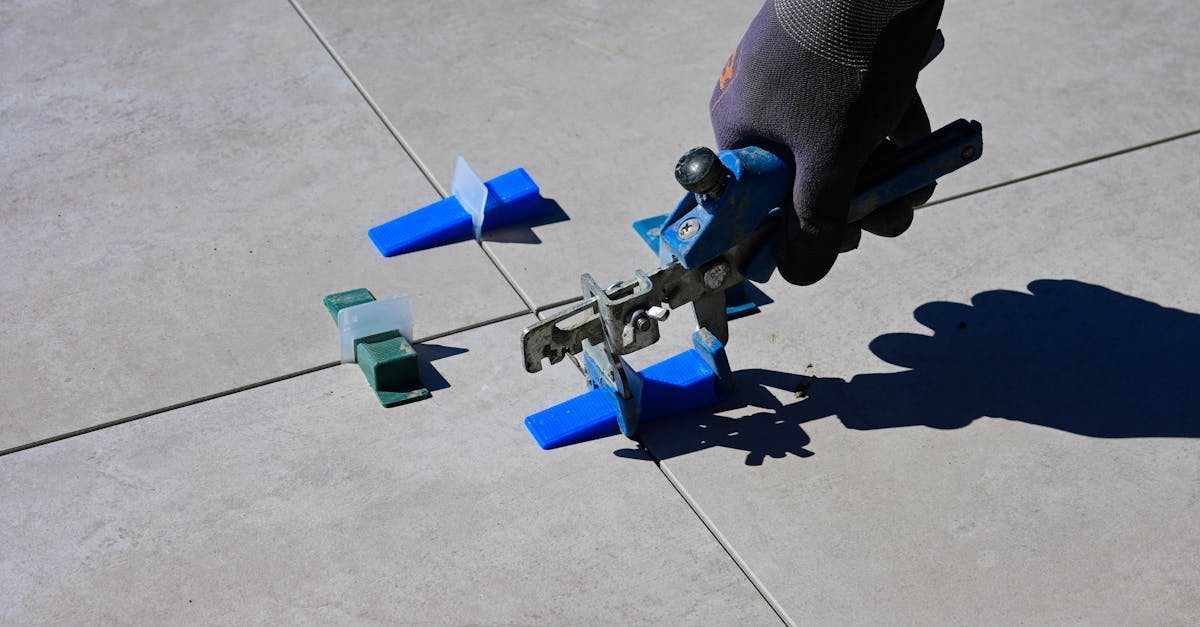
Managing Temperature Fluctuations and Their Impact on Floors
Table Of Contents
Seasonal Changes and Flooring
Temperature variations have a significant impact on the condition and appearance of flooring materials. During the summer months, heat can cause materials to expand, while winter conditions lead to contraction. These fluctuations can result in gaps, warping, or even cracking, particularly in hardwood and laminate floors. Choosing the right flooring material for your climate is crucial to mitigate these seasonal impacts.
Maintaining a stable indoor environment becomes essential in managing the effects of seasonal changes. Using humidifiers or dehumidifiers can help regulate moisture levels inside, reducing the risk of damage to floors. Regular cleaning and the application of protective finishes can also assist in preserving the integrity of the flooring throughout the year. By being proactive and prepared, homeowners can ensure that their floors remain in excellent condition regardless of the seasonal shifts.
Preparing Floors for Winter and Summer Variations
As temperatures shift with the changing seasons, it becomes essential to prepare flooring for the challenges of winter and summer. In winter, the humidity levels drop, which can lead to wooden floors shrinking and creating gaps. To mitigate these issues, consider using humidifiers in your home to maintain a stable moisture level. Regularly checking for signs of warping or separating boards can help prevent more significant problems down the line.
In contrast, summer heat can cause expansion in wooden flooring. This expansion can lead to buckling and distorted shapes if the wood is not allowed room to breathe. Proper ventilation and air conditioning can help maintain an even temperature. Applying protective sealants can also provide an extra layer of defence against potential summer damage. Regular maintenance and proactive measures will ensure that your flooring remains in excellent condition throughout the year.
Signs of Damage from Temperature Fluctuations
Temperature changes can lead to various visible signs of damage on flooring. Warping or buckling is often an immediate indication that your floors have been affected. Wood can expand and contract with heat and cold, causing boards to twist or curl at the edges. Similarly, laminate floors may show signs of lifting or separation at the seams, highlighting a problem with moisture levels and temperature regulation.
In addition to physical warping, gaps between floorboards can develop in response to changes in humidity and temperature. These gaps not only detract from the floor's aesthetic appeal but may also expose the underlying subfloor to potential damage. Homeowners should remain vigilant for these signs, as early identification can lead to more manageable repairs and help maintain the integrity of the flooring material over time.
Identifying Problems Early to Prevent Further Issues
Temperature fluctuations can lead to subtle changes in flooring materials that, if left unchecked, may escalate into significant problems. Regular inspections of the floors can help identify early signs of damage. Homeowners should look for gaps, warping, or splintering, especially around the edges where temperature impacts are more pronounced. Additionally, checking for moisture build-up or signs of mould can provide insights into potential issues influenced by temperature changes.
Taking immediate action upon noticing these signs is essential in preventing further issues down the track. Problems such as buckling or cracking not only compromise the aesthetic appeal of floors but can also lead to costly repairs. Implementing routine maintenance schedules, including cleaning and appropriate humidity control measures, can mitigate many of these risks. By remaining vigilant and proactive, homeowners can help ensure the longevity of their flooring investments.
Best Practices for Floor Care
Regular maintenance is essential for preserving the beauty and integrity of flooring. Sweeping or vacuuming should be done frequently to remove dirt and grit that can scratch surfaces. Utilizing appropriate cleaning agents specific to the flooring type can prevent damage. For instance, using a pH-neutral cleaner for hardwood or a stone-safe product for tiles ensures cleanliness without harming the finish.
Seasonal adjustments are also important in preserving floor quality. During the winter months, placing mats at entrances can help capture moisture and reduce exposure to salt and debris. In contrast, during summer, it's wise to keep floors dry and avoid excess humidity which can warp wood. Employing area rugs in high-traffic zones can further protect floors from wear and tear, providing both style and functionality throughout the year.
Maintaining Floors Across Different Seasons
Regular maintenance of flooring is essential to ensure its longevity and appearance throughout the changing seasons. In winter, humidity levels tend to drop, which can cause hardwood floors to shrink. Applying a humidifier can help maintain moisture levels in the air, reducing the risk of cracks and gaps. For tiles and laminate, using rugs in high-traffic areas provides additional warmth and protection against wear.
As summer approaches, the increased humidity can lead to expansion in wooden floors. It is advisable to avoid excess water when cleaning. Instead, using a slightly damp mop is recommended to prevent any moisture damage. Maintaining consistent temperatures and humidity levels indoors can mitigate risks associated with both winter and summer fluctuations, fostering a stable environment for flooring materials. Regular inspections for signs of wear and tear also help in addressing minor issues before they escalate into significant problems.
FAQS
How do seasonal changes affect different types of flooring?
Seasonal changes can cause flooring materials to expand or contract, leading to potential damage. For example, hardwood floors may warp in high humidity, while laminate can buckle in extreme dryness.
What are some steps I can take to prepare my floors for winter?
To prepare floors for winter, ensure your home is well-insulated to minimise temperature fluctuations, use area rugs in high-traffic areas, and maintain a consistent humidity level with a humidifier if necessary.
What signs indicate my floors may be damaged due to temperature fluctuations?
Signs of damage include gaps between floorboards, warping or buckling, and cracking in the material. If you notice any of these issues, it's important to address them promptly.
How can I identify flooring problems early to prevent further issues?
Regular inspections are key. Look for any changes in the appearance of your flooring, such as unevenness or moisture build-up. Addressing these signs quickly can help prevent more extensive repairs.
What are the best practices for maintaining floors across different seasons?
Best practices include regular cleaning, controlling indoor humidity levels, using protective pads under furniture, avoiding excessive moisture, and being mindful of temperature changes when adjusting heating or cooling systems.
Related Links
Maintenance Routines for Different Flooring Types Throughout the YearBest Practices for Exterior Flooring Care in Southport’s Climate
Adapting Your Flooring Care Schedule for Changing Seasons
Seasonal Challenges for Laminate Flooring and How to Overcome Them
How to Guard Tile Floors Against Seasonal Wear and Tear
Essential Carpet Maintenance During Rainy Seasons in Southport
Protecting Vinyl Flooring from Seasonal Humidity Changes
Winter Care Tips for Timber Floors in Southport