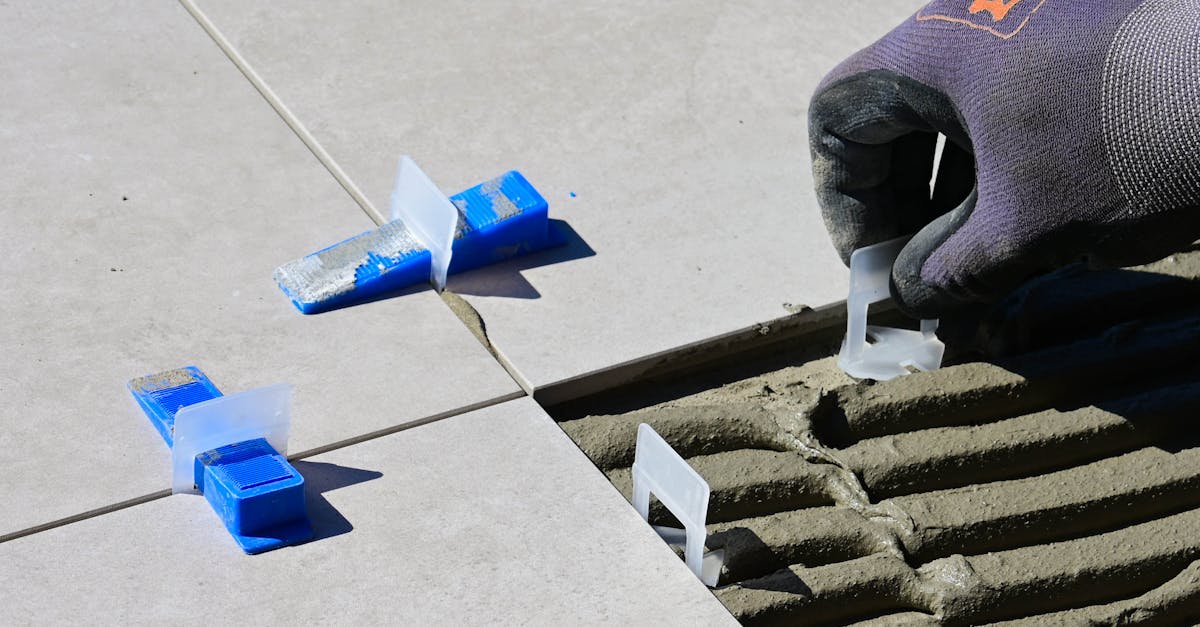
Best Practices for Properly Securing Your Flooring Panels
Table Of Contents
Dealing with Expansion Gaps
Properly addressing expansion gaps is essential for the longevity and performance of your flooring. These gaps allow for natural movement caused by temperature changes and humidity fluctuations. Without adequate space, flooring can buckle or warp, leading to costly repairs and diminished aesthetic appeal. It is vital to observe manufacturer recommendations regarding the size of expansion gaps. Generally, a gap of 10-15 millimetres is appropriate for most flooring types, although this may vary depending on the material used.
In residential settings, expansion gaps should be strategically placed along walls and around fixed objects such as columns or pipes. This placement accommodates floor expansion horizontally without hindrance. Additionally, using appropriate trim or moulding can help conceal these gaps while ensuring necessary space is maintained. Regular inspections can help identify any issues before they escalate, contributing to a well-maintained and visually appealing floor.
Importance of Allowing for Floor Movement
Flooring materials naturally expand and contract with changes in temperature and humidity. Failing to accommodate this movement can lead to warping, buckling, or gaps appearing between panels. The structural integrity of the flooring can be compromised when sufficient space is not provided, impacting both aesthetic appeal and functionality. This potential for damage highlights the necessity of proper planning during installation.
Incorporating expansion gaps around the perimeter of the flooring creates room for movement without causing stress on the panels. A general rule of thumb is to leave a gap of around 10 to 15 millimetres, depending on the type of flooring used and the specific conditions of the environment. By allowing for this natural behaviour of flooring materials, homeowners can significantly enhance the longevity and durability of their installations.
Maintenance Tips for Secured Flooring
Regular inspections of your flooring can prevent minor issues from becoming significant problems. Start by checking for any loose panels or signs of warping that may indicate changes in humidity or temperature. Addressing these concerns promptly will help maintain the integrity of your flooring and ensure it remains secure over time. Clear any debris or dirt from joints and gaps, as this can help prevent damage and keep your flooring looking its best.
Routine cleaning is also essential for the upkeep of secured flooring. Use appropriate cleaning products that are recommended for your specific flooring type. Avoid abrasive materials that can scratch the surface. A well-maintained floor not only looks appealing but also lasts longer and contributes to a healthier living environment. Proper care extends the life of your investment and enhances the overall aesthetic of your space.
Regular Checks and Upkeep
Routine inspections of your flooring panels are essential to ensure their longevity and proper function. During these check-ups, look for any signs of wear, such as scratches, dents, or loose panels. A proactive approach can prevent minor issues from escalating into major problems that require extensive repairs. Inspecting joints and edges will help you identify potential gaps that may develop over time.
Keeping your flooring in top shape requires more than just visual inspections. Regular cleaning is necessary to avoid dirt buildup that can harm the surface and finish. Use appropriate cleaning products suited to your flooring material for the best results. Additionally, addressing any moisture issues immediately will help protect against warping and mildew, further extending the life of your floor.
Common Mistakes to Avoid
One prevalent error during flooring installation is neglecting the proper measurement and allowance for expansion gaps. Flooring materials, particularly timber and laminate, naturally expand and contract with changing temperatures and humidity levels. Without adequate space, panels may buckle or create unsightly gaps after installation. It is crucial to account for these movements to ensure the longevity and integrity of the floor.
Another common mistake occurs when installers overlook the importance of using the right adhesive or fasteners. Each type of flooring has specific requirements for securing it effectively. Choosing the wrong product can lead to weakened bonds that compromise the floor's stability. This oversight can result in costly repairs and frustration down the line as the flooring begins to lift or shift.
Errors in Installation and Their Consequences
Improper installation techniques can lead to a range of problems that affect both appearance and durability. Misalignment of panels often results in unsightly seams and uneven surfaces. Without the correct alignment, floor panels may shift, which can compromise the integrity of the flooring system. Additionally, failing to secure the panels properly can lead to squeaking and movement over time, potentially damaging both the panels and the underlying structure.
Another common error occurs when installers neglect to account for environmental factors such as humidity and temperature changes. This oversight can result in severe expansion or contraction of the flooring materials. Inadequate spacing and lack of expansion gaps may lead to buckling or warping. These issues not only diminish the aesthetic appeal of the flooring but also lead to costly repairs down the line. Regular inspections may identify these installation flaws early, preventing further damage to the flooring system.
FAQS
What are expansion gaps and why are they important for flooring panels?
Expansion gaps are spaces left between the flooring panels and the walls or other fixed objects to allow for natural floor movement due to changes in temperature and humidity. They are crucial for preventing buckling and warping of the flooring.
How can I maintain my secured flooring?
Regular maintenance includes checking the integrity of the flooring, cleaning it with appropriate products, and ensuring that any damaged areas are promptly repaired. It's also essential to inspect expansion gaps and ensure they are clear of debris.
What common mistakes should I avoid during flooring installation?
Some common mistakes include not allowing for sufficient expansion gaps, failing to properly secure the panels, and neglecting to follow the manufacturer's installation guidelines. These errors can lead to significant issues like warping and damage over time.
How often should I perform maintenance checks on my flooring?
It’s recommended to perform maintenance checks at least once every six months. However, you should inspect your flooring more frequently if you notice any signs of wear or damage, such as gaps, creaking, or uneven surfaces.
What are the consequences of improper installation of flooring panels?
Improper installation can lead to a range of issues, including gaps between panels, uneven surfaces, and premature wear and tear. In severe cases, it may require complete reinstallation, which can be costly and time-consuming.
Related Links
Step-by-Step Guide to Self-Installing Flooring in SouthportPreparing Your Home for a Successful Flooring Installation Experience
How to Measure and Plan for Your Flooring Installation Effectively
Common Challenges During the Flooring Installation Process
Effective Methods for Installing Tile Flooring in Residential Spaces
Understanding the Carpet Flooring Installation Workflow
Key Stages in the Vinyl Flooring Installation Process